
Primary Care
Primary care that knows the full picture
Preventive care, new concerns, and ongoing needs are easier to manage with one physician who knows your history, goals, and life in context.
For adults, families, and children ages 3 and older. Care available in English and Spanish.
Primary & preventive care
Care for everyday health and the years ahead
From preventive screenings to new symptoms and ongoing conditions, membership-based primary care brings your everyday health needs under one roof.
Preventive & routine care
Annual health reviews, screening recommendations, vaccinations, and personalized risk assessment.
- Annual physicals and routine health reviews
- Pediatric well visits and sports physicals
- Screening guidance for blood pressure, cholesterol, diabetes, and cancer
- Vaccinations and preventive lab testing
- STI screening, PrEP, and sexual health
New symptoms & sick visits
Evaluation of common illnesses, injuries, symptoms, and changes in your health.
- Respiratory, ear, or sinus symptoms
- Urinary, abdominal, or skin concerns
- Minor injuries and new pain or swelling
- Headaches, dizziness, or fatigue that should not wait
Chronic condition care
Ongoing management of high blood pressure, diabetes, cholesterol, thyroid disease, asthma, depression, anxiety, and other stable conditions.
- High blood pressure, cholesterol, and diabetes
- Thyroid disease, asthma, and migraines
- Depression, anxiety, and sleep concerns
- Medication management and follow-up care
Mental health in primary care
Evaluation and treatment of anxiety, depression, stress, burnout, sleep problems, and attention concerns when appropriate.
- Anxiety, depression, and stress-related symptoms
- Sleep concerns and burnout
- Attention or focus concerns when appropriate
- Support, follow-up, and medication management
Office procedures & testing
Many routine concerns can be evaluated and treated directly in the clinic.
- Minor skin biopsies and cryotherapy
- Joint and soft-tissue injections
- EKGs and point-of-care testing
- Blood draws and specimen collection
Coordination & health planning
Referrals and coordination with specialists, pharmacists, and other clinicians — plus care that follows you across seasons of life.
- Referrals to specialists when needed
- Medication review and prescription management
- Lab, imaging, and follow-up testing
- Lifestyle counseling and health planning
- Preventive care tailored to your age and stage
- A care plan that evolves with you
Not an emergency department. Call 911 or seek emergency care for severe chest pain, signs of stroke, serious breathing difficulty, major trauma, uncontrolled bleeding, or another potentially life-threatening emergency.
In-office care
Common procedures and in-office care
Many routine concerns can be evaluated and treated directly in the clinic. Availability depends on the concern, medical appropriateness, and the equipment required.
Most common procedures and in-office care are included in your membership, with no per-visit copays.
Skin & lesions
- Minor skin biopsies
- Cryotherapy for selected skin lesions and warts
- Incision and drainage of selected abscesses
Wounds & injury repair
- Simple laceration repair
- Suture or staple removal
- Routine wound evaluation and dressing care
Injections & joints
- Joint and soft-tissue injections when appropriate
- Medication administration and selected injections
- Selected contraceptive procedures
Diagnostics & lab
- Electrocardiograms (EKG)
- Selected point-of-care testing
- Blood draws and laboratory specimen collection
- Earwax removal
Some procedures, medications, laboratory tests, or supplies may involve an additional charge. Members can ask about expected costs in advance.
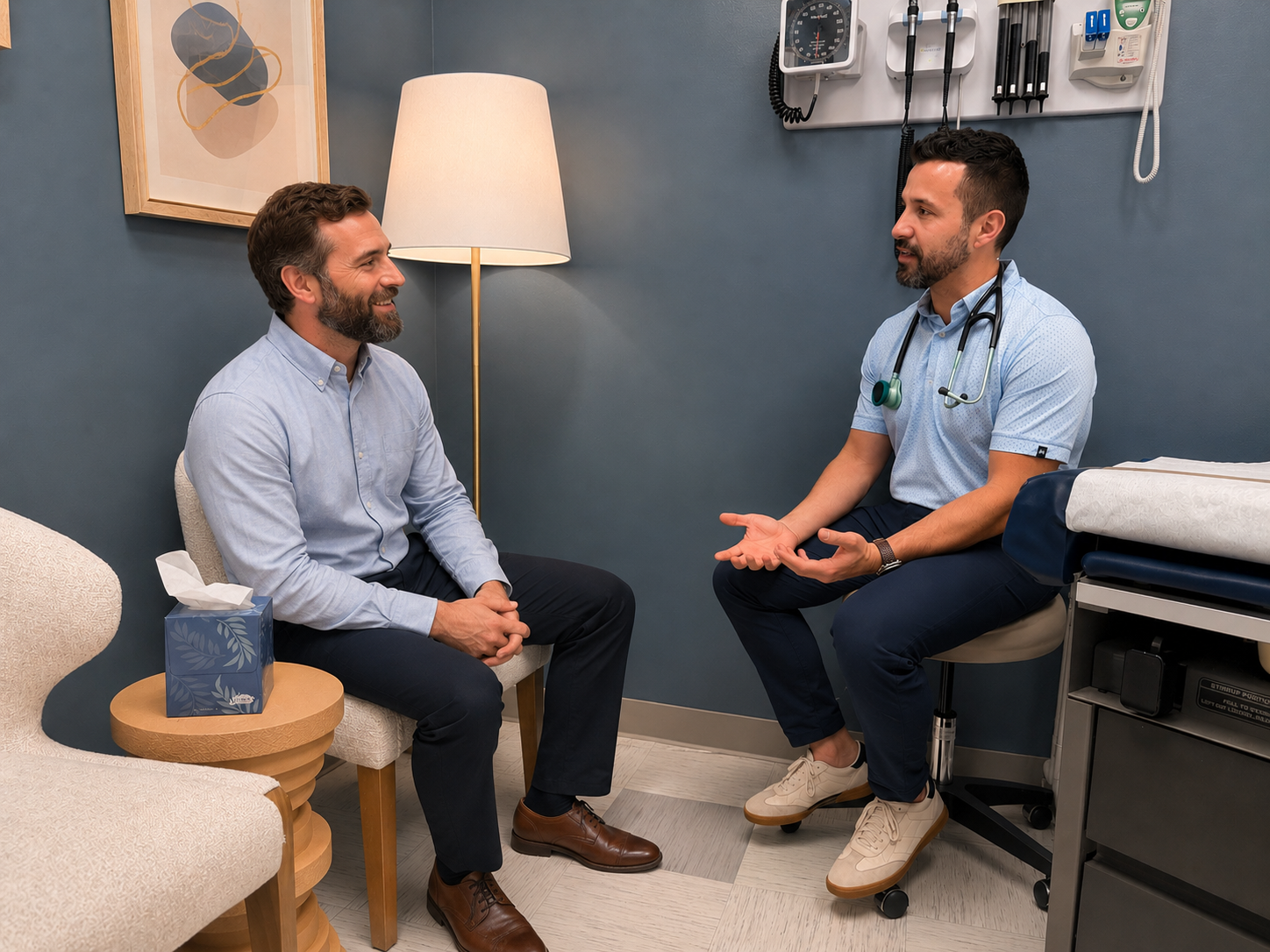
How this approach is different
Care that connects the pieces
A concern that begins as fatigue, weight change, poor sleep, pain, or stress may involve several parts of your health. Ongoing primary care allows us to look for connections and build a plan rather than addressing each concern in isolation.
Connections across symptoms and conditions
A plan that evolves with your life
Specialist coordination without losing continuity
Lifestyle medicine
Everyday habits are part of medical care
Sleep, stress, nutrition, movement, relationships, and substance use can affect health and treatment. These factors are considered alongside medications, testing, and other medical care — not as substitutes for them.
Six pillars of lifestyle medicine
Evidence-based lifestyle change can prevent, treat, and often reverse chronic disease
Used together, these pillars can help achieve chronic disease remission in some people.
Nutrition
Whole, minimally processed foods
Movement
Regular physical activity
Sleep
Restorative, consistent sleep
Stress
Healthy stress management
Relationships
Meaningful social connection
Substances
Avoid risky substance use
Common questions
Related care
If this page is helpful, these may be too.
Men's Health
Primary care for men who take their health seriously — without chasing every trend.
Women's Health
Thoughtful primary care for women, including metabolic, sexual, and healthy aging concerns.
Chronic Conditions
Ongoing management of blood pressure, diabetes, cholesterol, thyroid, asthma, and more.
Obesity Medicine
Evidence-based weight management integrated with primary care.
This is where most of your healthcare can start.
Not fragmented. Not rushed.
Thoughtful, connected, and personal.
Primary care that knows the full picture.