Key Takeaways
- Hearing loss in midlife and beyond is recognized as a modifiable risk factor for dementia by the Lancet Commission on Dementia.
- Even mild hearing loss may increase dementia risk — a large 2025 meta-analysis found that adult-onset hearing loss significantly raises the risk of cognitive impairment.
- Treating hearing loss with hearing aids may slow cognitive decline. The Johns Hopkins ACHIEVE study found hearing aids reduced loss of thinking and memory abilities by 48% over three years in high-risk adults.
- Protecting your hearing from loud noise now — with earplugs, volume limits, and breaks — can help prevent noise-induced hearing loss later in life.
- A simple hearing test is quick, painless, and the first step toward protecting both your hearing and your cognitive health.
When I ask patients about their hearing, I often get a smile and a wave: "Oh, I just don't hear as well as I used to — it's normal." And yes, some hearing change with age is common. But what many people don't realize is that untreated hearing loss is one of the most significant modifiable risk factors for dementia.
That's right — something as simple as getting your hearing checked and, if needed, using hearing aids may help protect your brain. Let me walk you through what the research shows and what you can do about it.
Why Hearing Loss Matters for Your Brain
The connection between hearing loss and dementia has been building in the research world for over a decade. The 2024 update of the Lancet Commission on Dementia — a major international report that identifies preventable risk factors — lists hearing loss as one of the top modifiable risk factors for dementia.
A large 2025 meta-analysis pooling data from over 1.5 million people found that adult-onset hearing loss significantly increases the risk of cognitive impairment. Another study published in JAMA Network Open found that even mild hearing loss was associated with a substantially increased risk of developing dementia.
So how does hearing loss affect the brain? Researchers think it works in a few ways:
- Cognitive load: When you're straining to hear, your brain is working overtime just to decode sounds. That constant effort may draw resources away from memory and other cognitive functions.
- Social isolation: Hearing loss often leads people to withdraw from conversations, dinners, and social events. Social isolation is itself a well-known risk factor for cognitive decline.
- Brain changes: Some research suggests that reduced auditory input may contribute to changes in brain structure over time, though the exact mechanisms are still being studied.
The Good News: Hearing Aids May Help
This is where things get encouraging. The ACHIEVE study, a major randomized trial led by Johns Hopkins researchers, found that hearing aids slowed the loss of thinking and memory abilities by 48% over three years in older adults who were already at higher risk for cognitive decline.
That's a remarkable finding. It suggests that treating hearing loss isn't just about hearing better in a noisy restaurant — it may be one of the few things we can actually do to help protect our cognitive health as we age.
I want to be clear: this doesn't mean hearing aids are a guaranteed shield against dementia. The benefit was strongest in people who had additional risk factors (like high blood pressure or diabetes), and the study didn't show the same effect in healthy adults with average risk. But the direction of the evidence is positive, and treating hearing loss has plenty of other quality-of-life benefits beyond brain health.
Protecting the Hearing You Still Have
Whether you currently have hearing loss or not, protecting your ears from noise damage is one of the most practical things you can do. Noise-induced hearing loss is permanent — but it's also largely preventable.
Here are my top recommendations:
- Use earplugs at concerts and around loud equipment. Lawnmowers, power tools, and live music can all produce sound levels that damage the delicate hair cells in your inner ear over time. Inexpensive foam earplugs work fine for most situations.
- Follow the 60/60 rule for headphones. Listen at no more than 60% of maximum volume for no more than 60 minutes at a time. Your ears need breaks.
- Give your ears recovery time after loud exposure. If you've been at a concert or using power tools, try to spend 12–16 hours in a quiet environment afterward.
- Don't ignore the early signs. If you're turning up the TV, asking people to repeat themselves, or struggling to follow conversations in noisy settings, get your hearing tested.
Start With a Hearing Test
If you haven't had your hearing checked recently — or ever — I'd encourage you to make it a priority. A hearing evaluation is quick, painless, and non-invasive. In my clinic, I see patients all the time who've been "getting by" with hearing loss for years, sometimes decades, not realizing how much they've been missing.
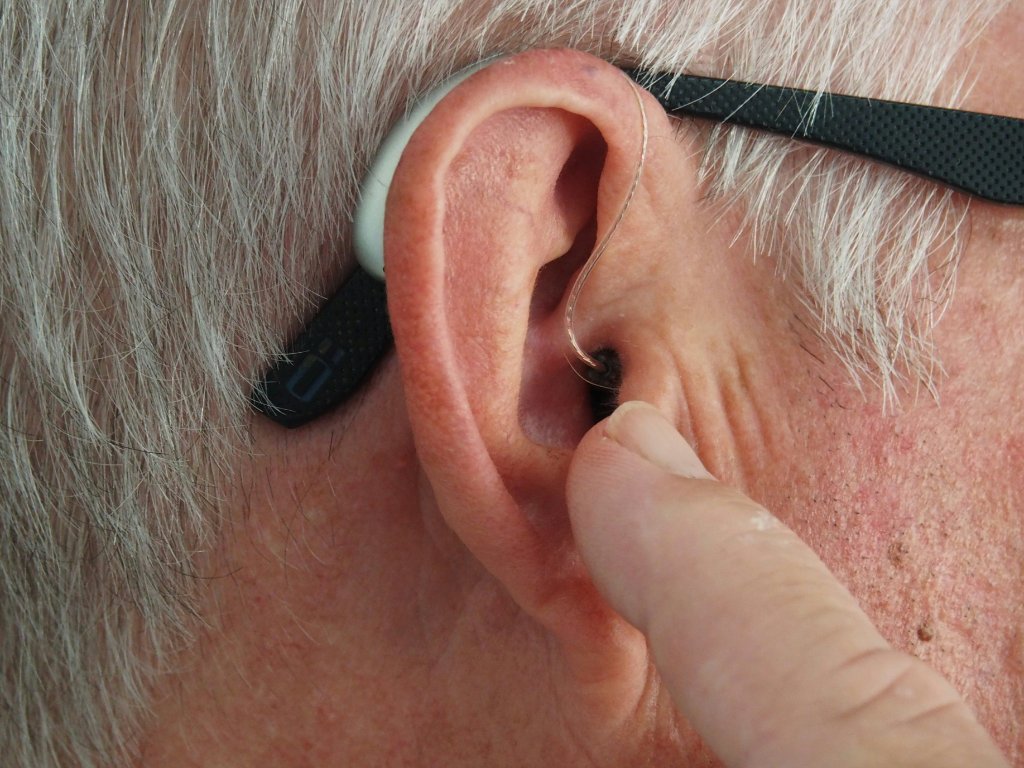
The earlier we catch hearing changes, the more options we have. And if hearing aids are recommended, today's devices are smaller, smarter, and far more discreet than the clunky beige models you might be picturing.
Hearing loss may feel like a normal part of aging, but leaving it untreated isn't harmless. Protecting your hearing — and treating loss when it happens — is one of the most practical steps you can take to support your cognitive health for the long haul.
If you'd like to get referred for a hearing screening or talk about your risk factors, reach out. I'm happy to help you get started.